Is Intermittent Fasting Right for You? The Hidden Risks Every Woman Should Know
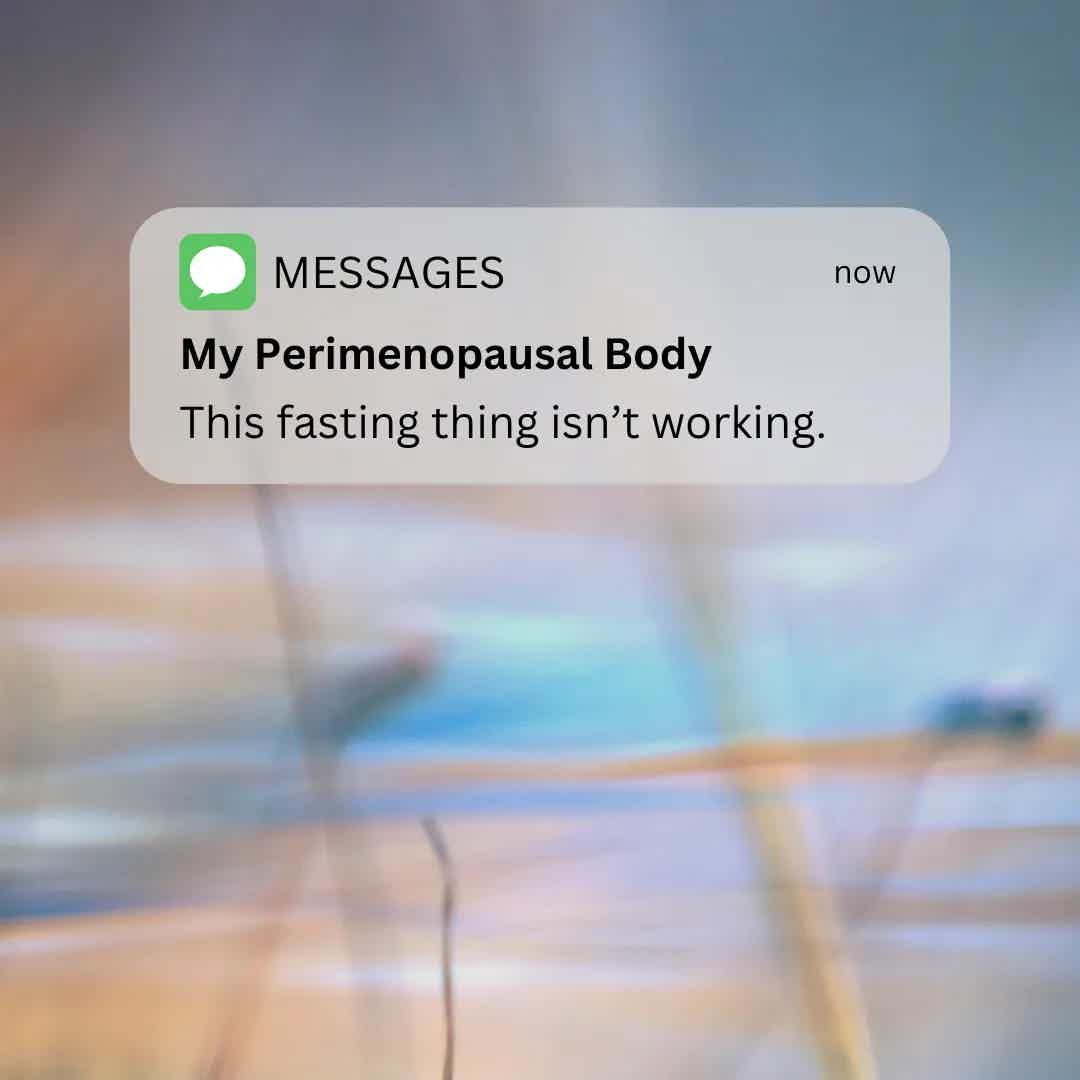
Why Intermittent Fasting Might Not Be Right for Everyone: Here's What You Should Know
Intermittent fasting (IF) has become a buzzworthy trend in the health and wellness world, promising everything from weight loss to improved energy levels. While it’s true that some people thrive on intermittent fasting, it’s not a one-size-fits-all solution—especially for women navigating the complexities of midlife hormonal changes.
If you’ve been considering intermittent fasting but aren’t sure if it’s right for you, keep reading.
Here, I’ll break down the potential downsides, who might need to approach IF with caution, and alternative strategies that may better support your health goals.
Understanding the Basics of Intermittent Fasting
Intermittent fasting involves cycling between periods of eating and fasting. Popular methods include the 16:8 method (16 hours of fasting followed by an 8-hour eating window) or alternate-day fasting. Proponents of IF claim it helps regulate blood sugar, burn fat, and boost cellular repair. While these benefits can be real for some, they don’t come without potential risks—especially for women in perimenopause or those dealing with hormonal imbalances.
Why Intermittent Fasting May Not Be Ideal for Everyone
Impact on Hormonal Balance
Women’s bodies are uniquely sensitive to energy restriction, especially during perimenopause or other hormonal transitions. Fasting can sometimes increase cortisol levels (your stress hormone), which may lead to worsened symptoms such as fatigue, irritability, or disrupted sleep. Over time, high cortisol can also hinder weight loss by promoting fat storage—particularly around the belly.
Potential for Blood Sugar Swings
For some women, long fasting periods can lead to significant dips in blood sugar. This can result in shakiness, headaches, or that “hitting-the-wall” feeling. If you’re someone who struggles with insulin resistance, hypoglycemia, or adrenal fatigue, intermittent fasting might leave you feeling worse rather than better.
Nutrient Deficiencies
A compressed eating window can make it challenging to get all the essential nutrients your body needs, especially if you’re juggling a busy lifestyle. Skimping on nutrition can have ripple effects on energy, immunity, and even hormone production.
Triggering Disordered Eating Patterns
If you’ve ever struggled with an unhealthy relationship with food, the rigid structure of intermittent fasting might trigger feelings of deprivation or binge-eating tendencies. For sustainable, long-term health, it’s important to cultivate a positive, flexible approach to eating.
Signs Intermittent Fasting Might Not Be Right for You
If you experience any of the following while trying intermittent fasting, it’s worth reevaluating:
- Persistent fatigue or low energy
- Difficulty concentrating or brain fog
- Mood swings or increased anxiety
- Sleep disturbances
- Unintended weight gain
Alternative Strategies for Sustainable Health
If intermittent fasting doesn’t feel like the right fit for your body, don’t worry—there are plenty of other ways to support your wellness goals:
Balanced Meal Timing
Focus on eating nourishing meals every 3-4 hours to keep blood sugar stable and energy levels consistent. Incorporate a balance of protein, healthy fats, and complex carbohydrates to fuel your body and hormones.
Mindful Eating Practices
Tune into your body’s hunger and fullness cues. Slowing down and savoring your meals can help prevent overeating and improve digestion.
Prioritize Quality Sleep
Sleep is one of the most underrated tools for weight management and hormonal health. Aim for 7-8 hours of restorative sleep each night.
Incorporate Gentle Movement
Exercise doesn’t have to be intense to be effective. Walking, yoga, or strength training can support your metabolism and mood without overstressing your body.
Comprehensive Hormone Support
If you’re struggling with symptoms like weight gain, low energy, or irregular cycles, consider working with a practitioner to test and optimize your hormone levels. Targeted nutritional and lifestyle strategies can make a world of difference.
Trust Your Body’s Wisdom
Remember, your health journey is uniquely yours. While intermittent fasting works for some, it’s okay to say, “This isn’t for me,” and explore other strategies that align with your body’s needs and your lifestyle.
If you’re ready to take a more personalized approach to your health, consider booking a consultation. Together, we can uncover what’s holding you back and craft a plan that truly works for you—no fasting required.